Health Systems 2050 roundtable explores South Africa’s future readiness
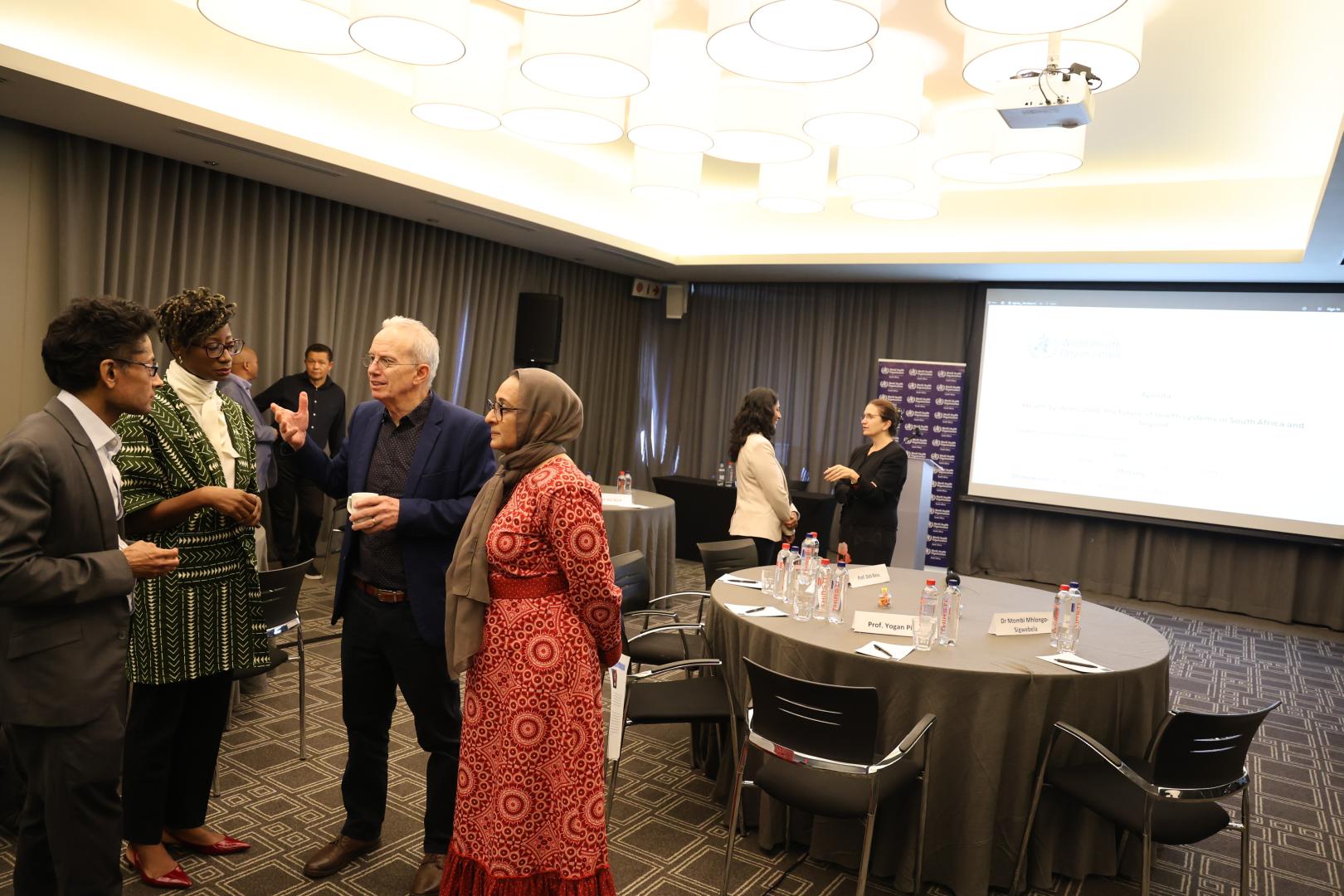
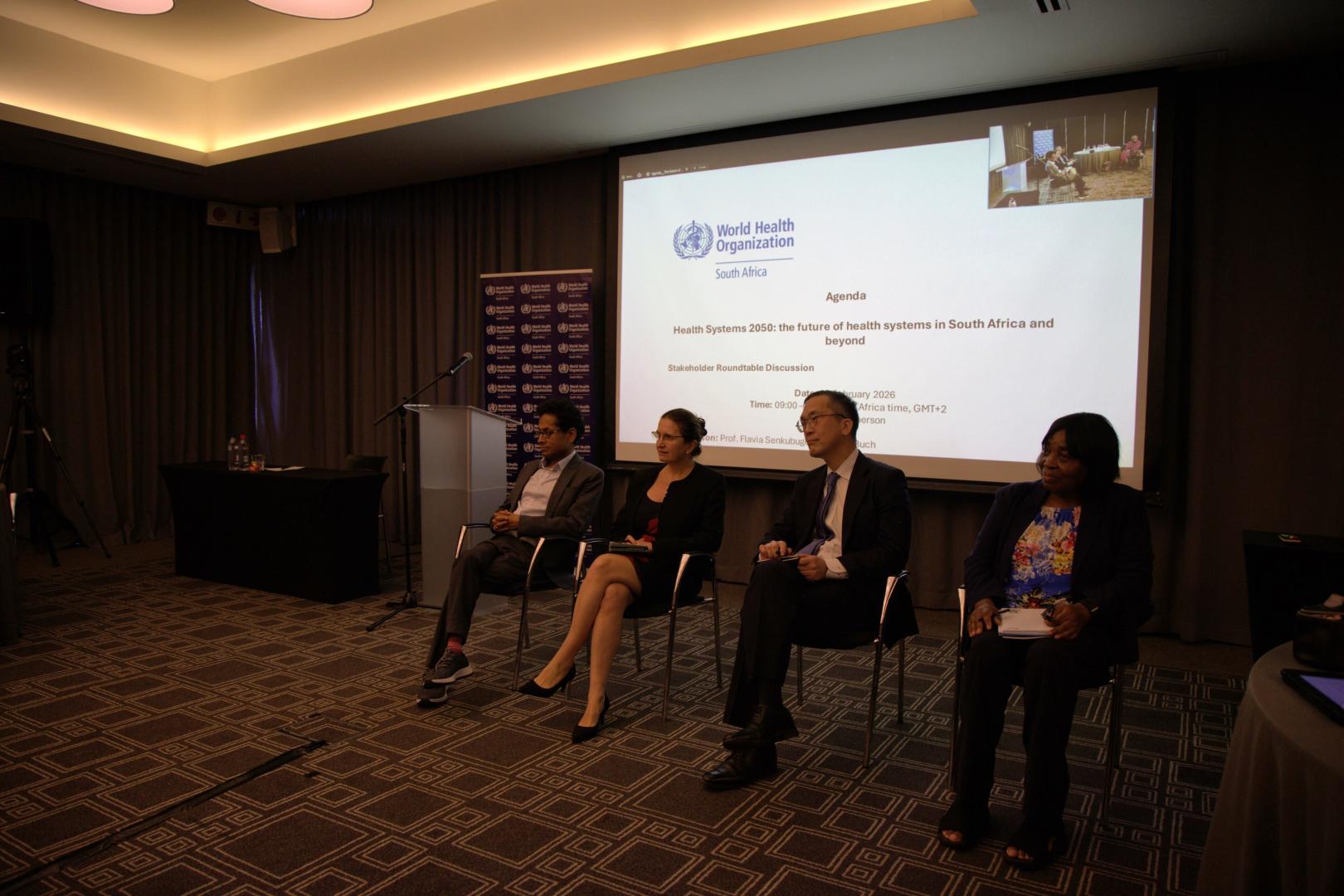
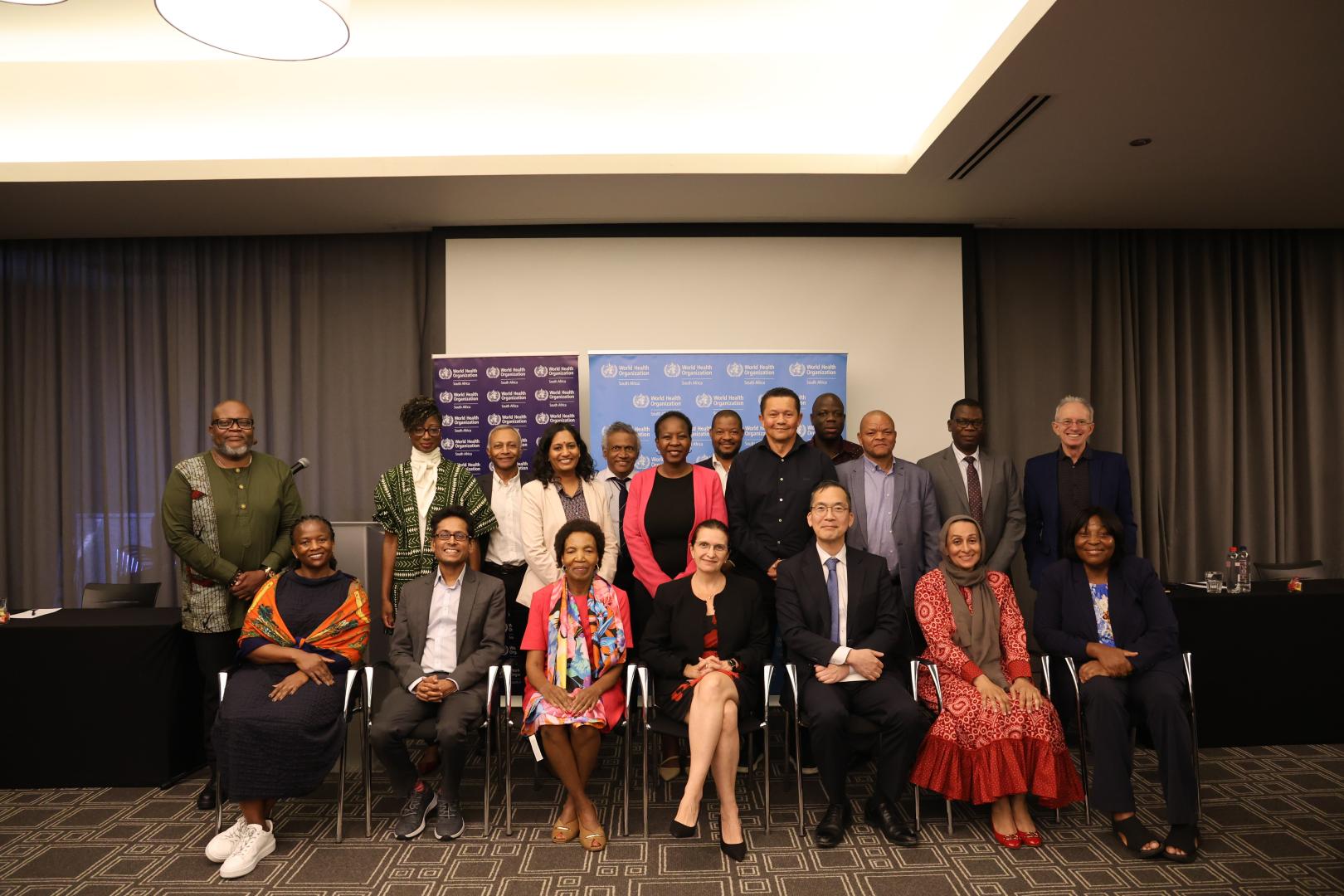
Pretoria, South Africa — 20 February 2026, The World Health Organization (WHO) Country Office in South Africa, together with the Alliance for Health Policy and Systems Research, convened an expert policy stakeholders’ roundtable, to examine how major global trends are reshaping health systems and what this means for global and South Africa’s future. The in-person session brought together diverse group of participants, including senior officials from the National Department of Health, national and international health leaders, global experts and researchers from academic institutions.
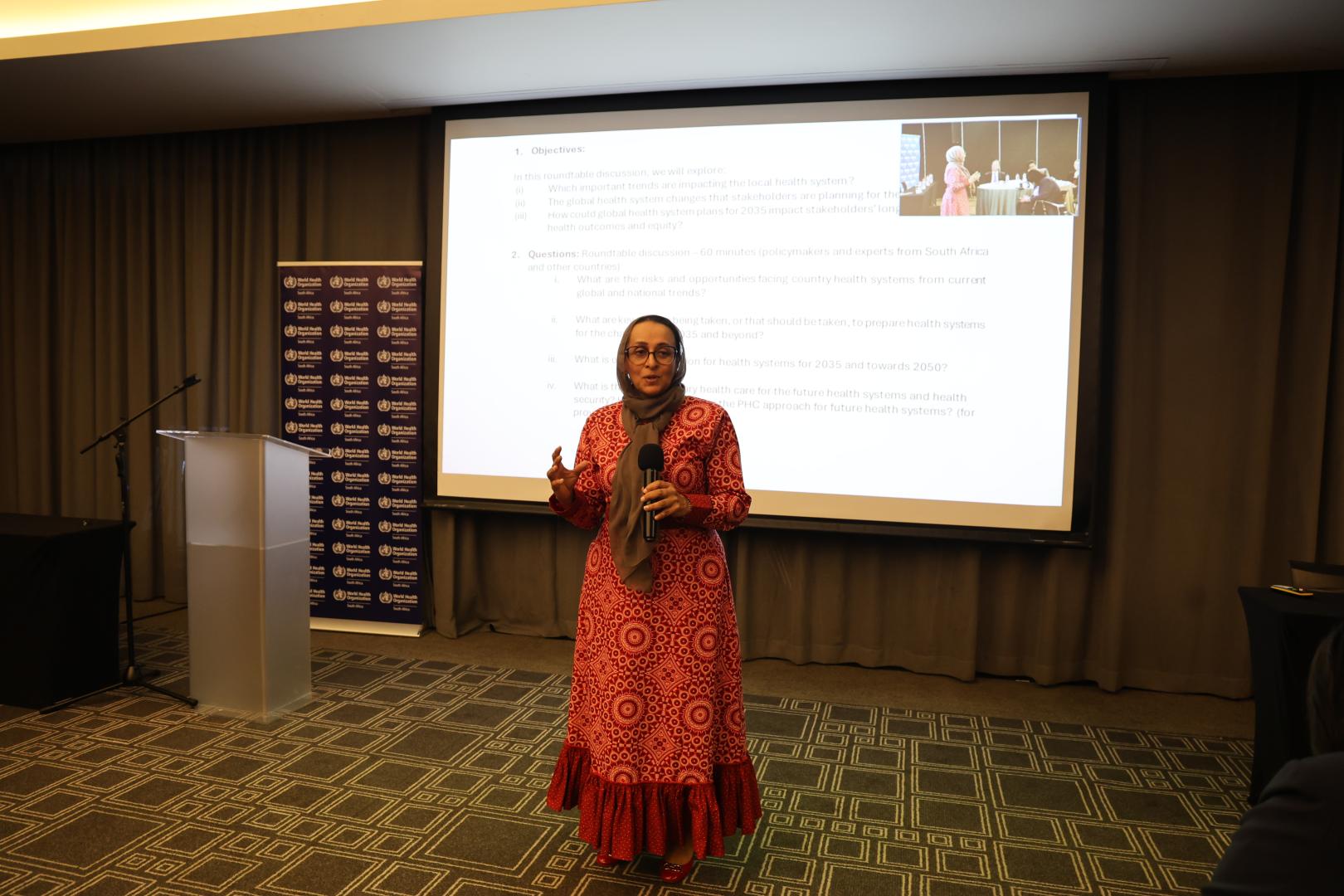
Opening the session, Ms Shenaaz El-Halabi, WHO Country Representative in South Africa, noted that the roundtable discussion session created an opportunity to bring national and international health experts together in Pretoria to pause, take stock of what is unfolding in global health, and reflect on what it means for health systems.
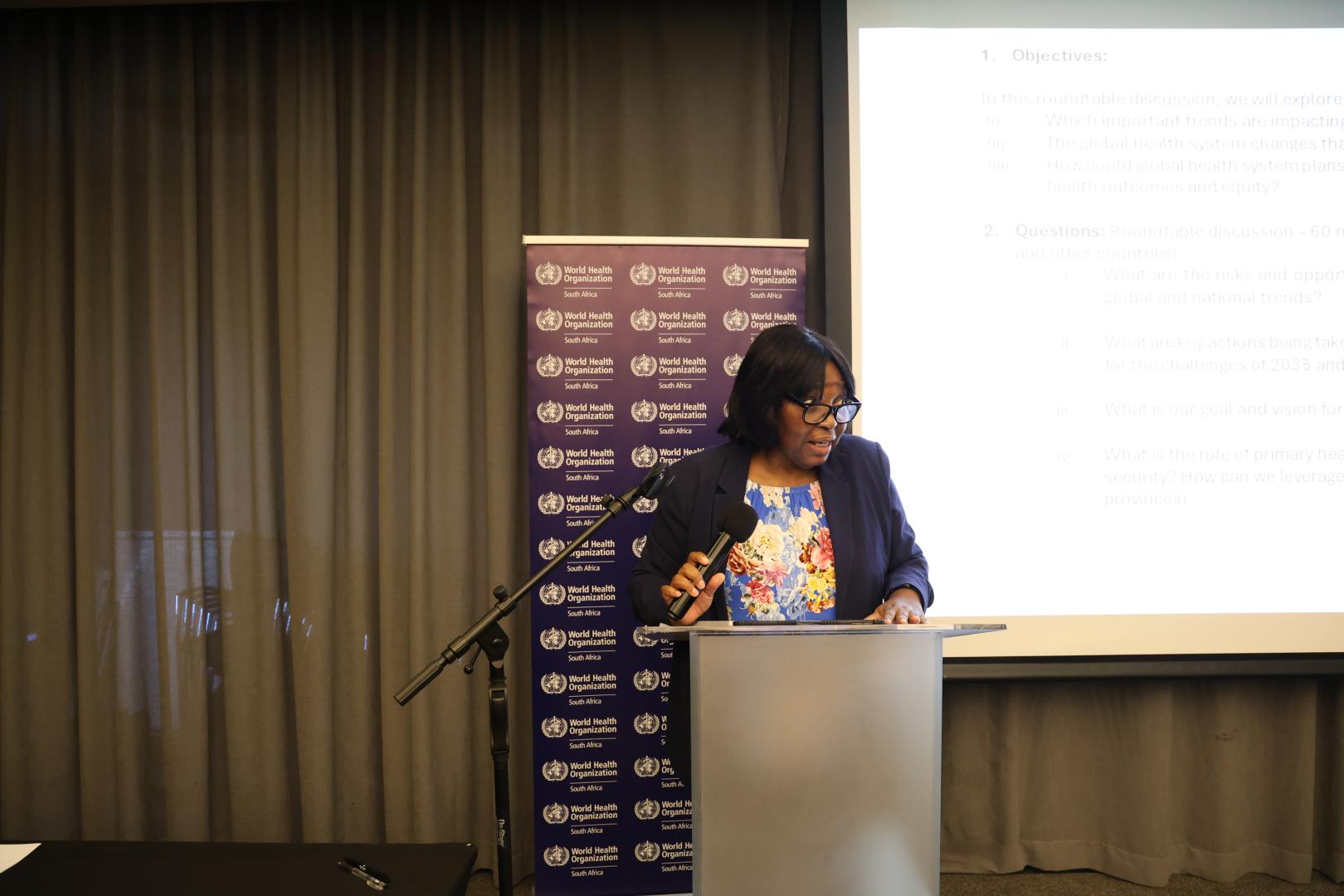
While delivering her remarks, Dr Aquina Thulare, Technical Advisor on National Health Insurance (NHI), from the National Department of Health called for a shift from commitments to practical resilience, stressing: “As we move beyond high level declarations and commitments, we need to ensure that our health systems can withstand global shocks whilst prioritising climate resilient infrastructure and digital health sovereignty.”
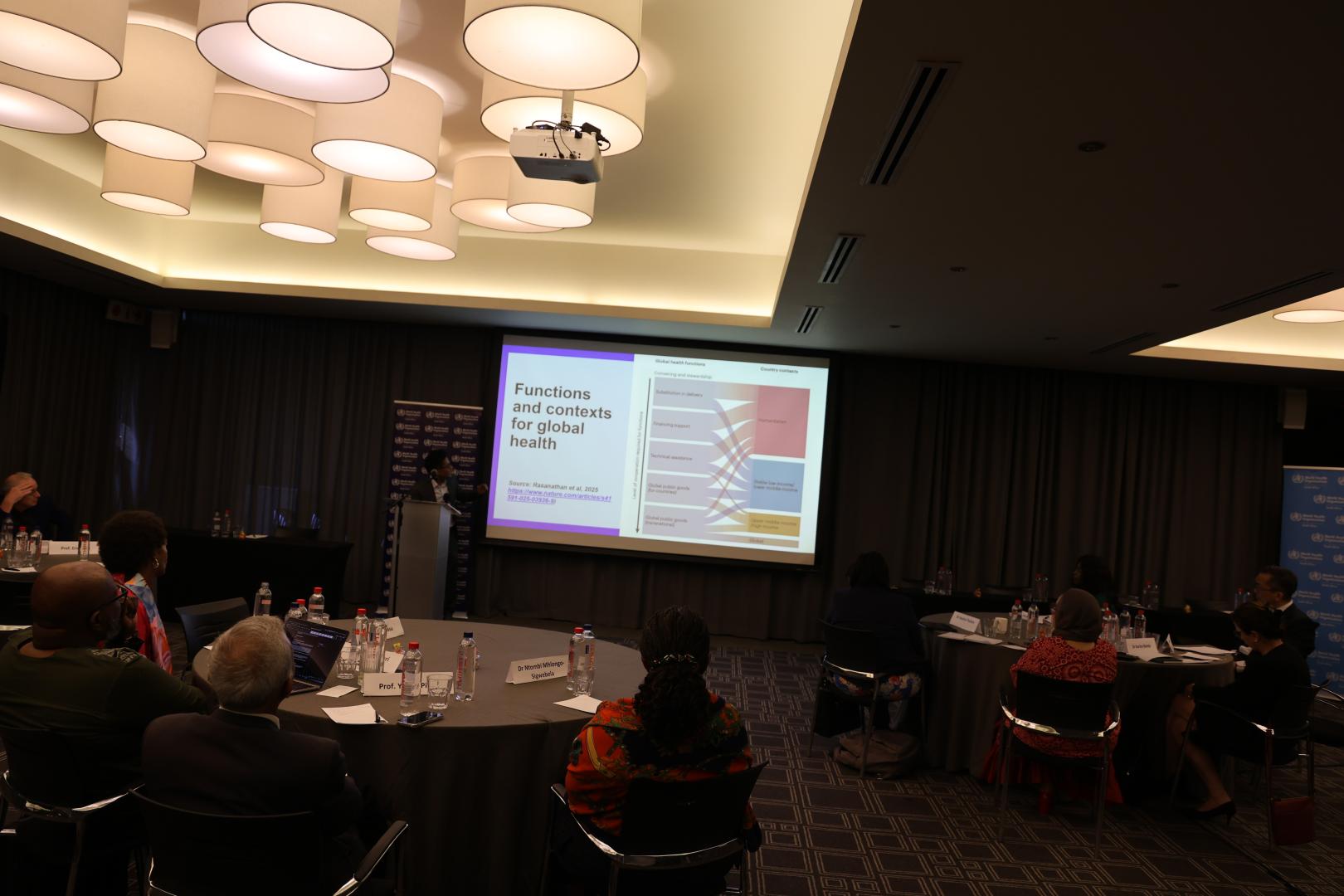
Dr Kumanan Rasanathan, Executive Director at the Alliance for Health Policy and Systems Research, noted that the discussion was designed to create space for open reflection in a fast-changing world. He underlined that Health Systems 2050 is less about forecasting and more about helping countries prepare for different possible futures, recognising that the choices made today can shape what is possible years from now.
The roundtable moved into an interactive discussion focused on three core questions: which trends are already affecting South Africa’s health system, what changes stakeholders are planning for over the next ten years, and how global planning for 2035 could shape longer-term visions for health outcomes and equity. Participants examined risks and opportunities arising from climate and environmental pressures, rapid technological and medical advances, shifting disease patterns, and persistent workforce challenges. They also reflected on the actions needed to ensure that future reforms strengthen inclusivity rather than widening gaps in access and outcomes.
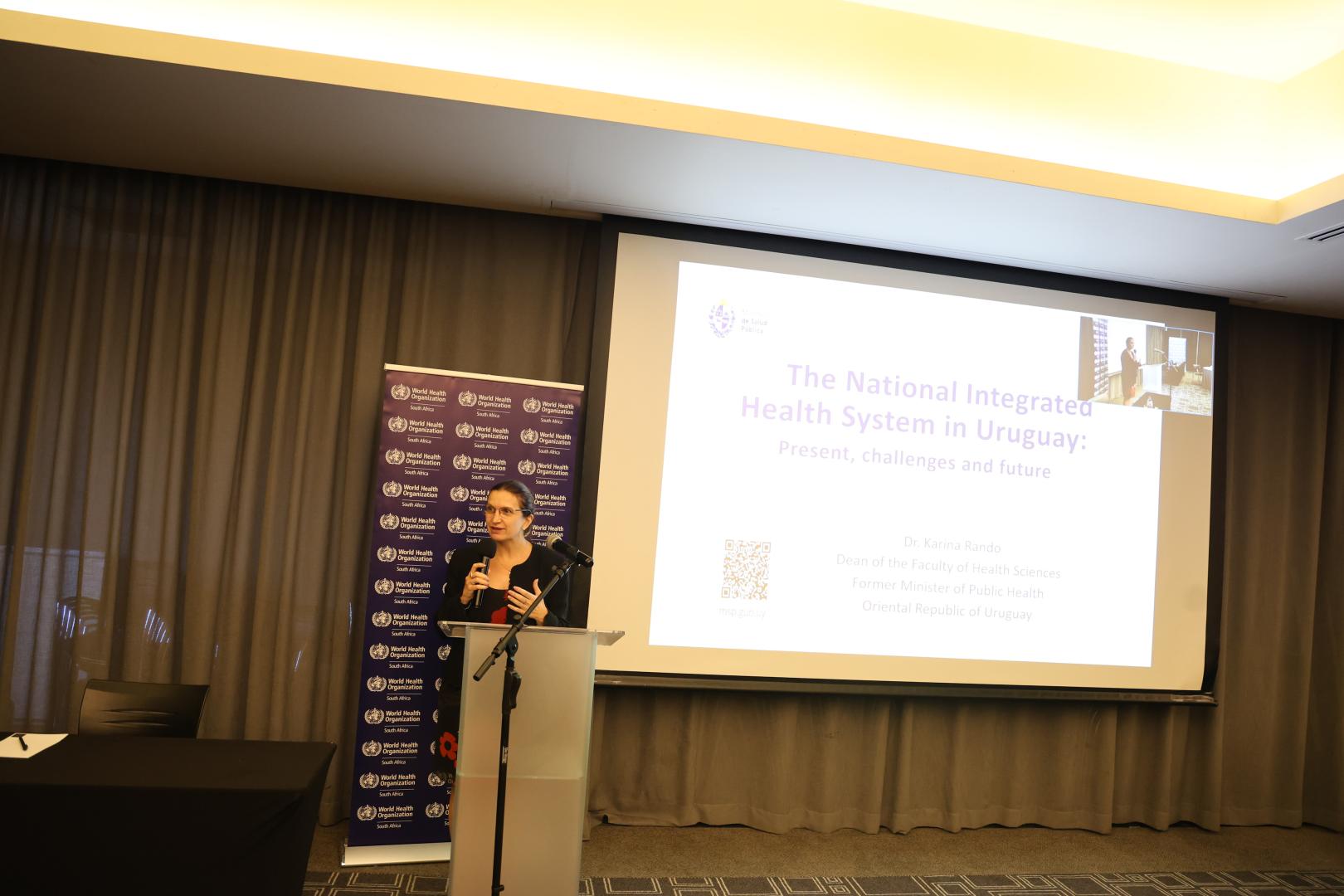
International and national perspectives helped ground the discussion in practical experience. Dr Hajime Inoue, Advisor for International Affairs to the Ministry of Health, Labour and Welfare of Japan highlighted issues facing high-income settings such as ageing populations and the universal health coverage (UHC) agenda. Dr Karina Rando, Dean, School of Public Health, Universidad de la Empresa, brought experience on integrated approach to the delivery of Universal Health Coverage (UHC) and a single payer system for its health insurance scheme while ensuring that inequities are addressed from Uruguay, and Dr Keith Cloete, Head of Department, Western Cape Department of Health and Wellness, shared learning from Health System 2030 and perspective from the Western Cape province of South Africa.
The roundtable was made possible through close collaboration between the National Department of Health, the WHO Country Office in South Africa, and the Alliance for Health Policy and Systems Research, with contributions from international experts and South Africa-based policy makers, researchers and institutions, including WHO Collaborating Centres.